
Heavy rain is headed for North Texas. Here’s what to know before a roof leak or water damage turns into an insurance headache.
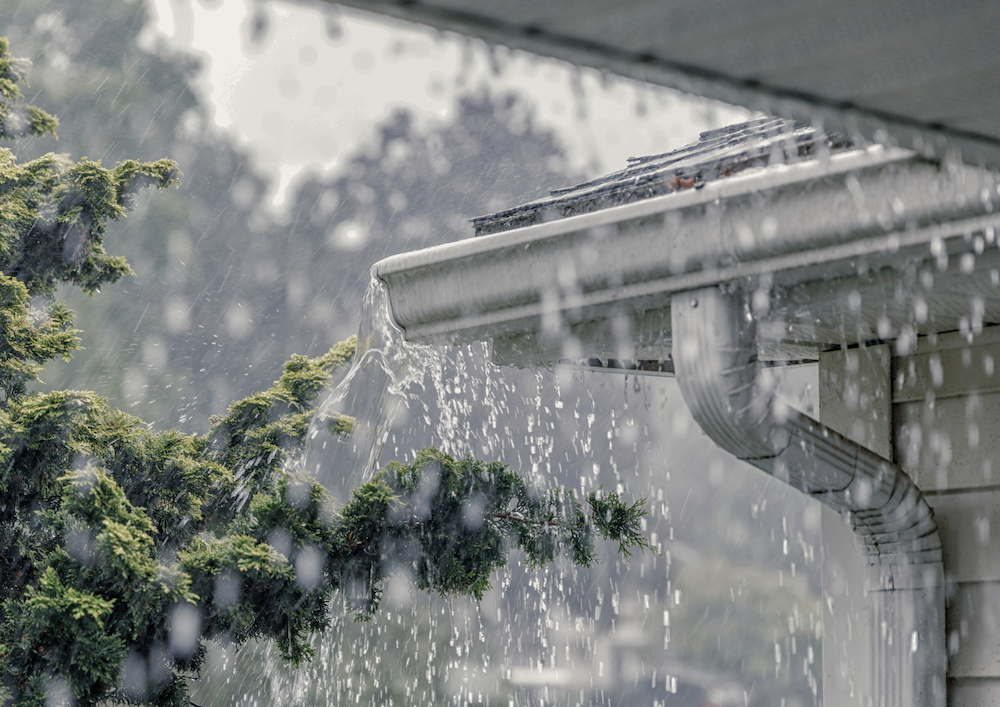
North Texas, it looks like we’re in for a wet few days.
With heavy rain and potential flooding in the forecast, now is a good time to talk about something most homeowners don’t think about until they’re dealing with it: what actually happens when water gets into your home?
Whether it’s a leaking roof, a water-stained ceiling or several inches of standing water, understanding your insurance coverage and knowing what to do next can make a difference.
Here are four things worth knowing before the storms arrive.
1. Not all water damage is treated equally.
Here’s something that surprises many homeowners: just because water entered your house during a storm doesn’t necessarily mean your homeowners insurance will cover it.
If strong winds damage your roof and rain enters through the damaged area, your homeowners policy may provide coverage.
But if heavy rainfall causes a nearby creek to overflow and water enters your home from the ground, that’s generally considered flooding. Standard homeowners insurance typically excludes flood damage, which usually requires separate coverage.
And what if your roof has been leaking for months? Gradual leaks, wear and tear, and maintenance-related damage may also be excluded.
What to remember: How water entered your home and what caused the damage can be just as important as the damage itself.
2. Don’t throw everything away just yet.
When water enters your home, your first instinct might be to start cleaning up immediately. That’s understandable, especially when you’re dealing with soaked carpeting, damaged furniture or wet drywall.
But before you start hauling everything to the curb, document what happened.
Take photographs and videos of the affected areas. Make a list of damaged belongings, including approximate purchase dates and values if you know them.
When safe and practical, keep damaged items until you’ve spoken with your insurance adjuster.
Of course, your health and safety come first. If something must be discarded because it’s contaminated or poses a safety hazard, photograph it thoroughly and document why it needed to be removed.
What to remember: Cleaning up is important, but preserving evidence of the damage can help support your insurance claim.
3. Emergency repairs? Save every receipt.
Imagine discovering a roof leak in the middle of a storm. You call someone to install an emergency tarp, rent equipment to remove standing water or hire a water mitigation company.
Those expenses can add up quickly.
Homeowners are generally expected to take reasonable steps to prevent additional damage when it’s safe to do so. Depending on your policy and the circumstances, some emergency mitigation expenses may be covered.
Before work begins, photograph the damage whenever possible. Keep copies of estimates, invoices, receipts and any communications with contractors.
It’s also important to distinguish temporary emergency repairs from permanent repairs. Talk to your insurance company before authorizing permanent restoration whenever possible.
And don’t assume that every expense will automatically be reimbursed.
What to remember: Document the damage, take reasonable steps to prevent it from getting worse and keep a paper trail of every expense.
4. Your insurance company’s first estimate isn’t necessarily the final word.
You’ve filed your claim, the adjuster has inspected your home and you’ve received an estimate.
But what happens if the estimate doesn’t account for all the damage?
Maybe your contractor identifies additional damage behind a wall. Maybe the estimate doesn’t reflect the actual cost of necessary repairs.
An initial insurance estimate isn’t necessarily the end of the process.
If you believe damage was overlooked or repair costs were underestimated, ask your insurance company for an explanation. You can submit additional photographs, contractor estimates and other supporting documentation.
Depending on your policy and the circumstances, you may have options to dispute the assessment.
What to remember: Review your estimate carefully, ask questions and understand your options if something doesn’t add up.
One more thing: Safety always comes first.
If water is entering your home, stay away from electrical hazards and never enter floodwater. Don’t climb onto your roof during a storm or attempt repairs that put you at risk.
If you experience damage, notify your insurance company promptly and keep a record of your communications.
For current weather alerts and safety information, visit the National Weather Service.
Hopefully, you’ll never need this information. Save it anyway.
Storm damage is stressful enough without having to figure out your insurance coverage in the middle of it.
At Torry Law Group, we help Texas homeowners navigate property insurance claims and disputes. If your home sustains damage and you have questions about your coverage, your insurance company’s assessment or your options, our team is here to help.
Stay safe, North Texas.
Disclaimer: This article provides general information and does not constitute legal advice. Insurance coverage depends on your individual policy, the cause of damage and the circumstances of your claim.